Amanda Reck and the Small Acts That Hold Culpeper Together
By Culpeper HQ ·
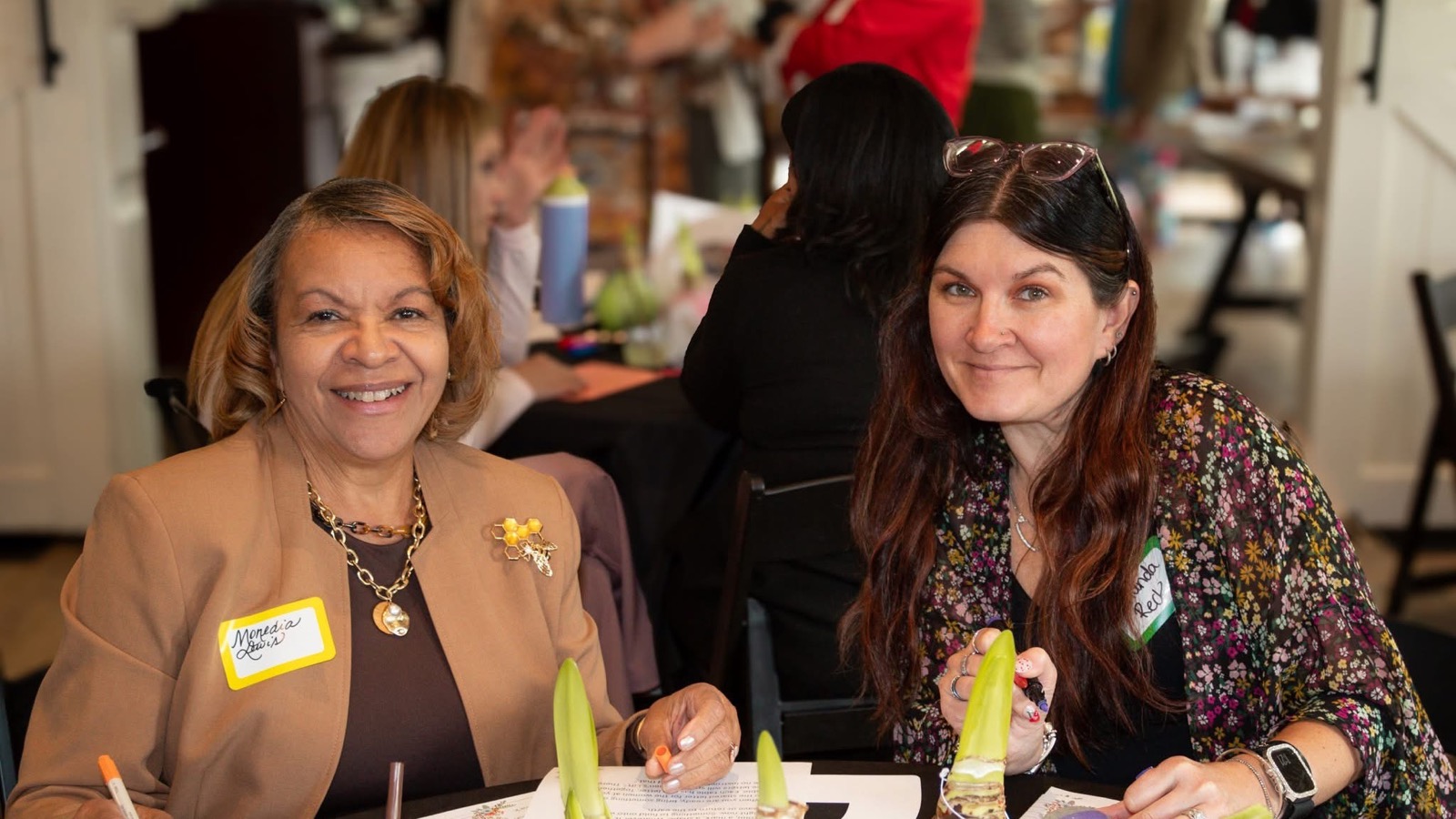
Amanda Reck did not set out to build a life around committee meetings, craft fairs, youth theater, fundraisers and the occasional folding table. She simply developed a habit that has a way of rearranging a calendar.
When something needs doing, she tends to think, “I can help with that.”
At 23, Reck was living in Florida. Her husband was a pilot, they were building a house, she had a successful career in telecommunications and they had just learned they were expecting their first child. The map looked fairly clear.
Then it wasn’t.
Her husband lost his job, the couple moved back to Virginia to be closer to family, and Reck suffered a miscarriage. Their family eventually grew, and she became a stay-at-home mother. But the instinct to serve had already been there. In Florida, she had volunteered through work with Habitat for Humanity and a battered women’s shelter.
Back in Virginia, she joined a Mothers of Preschoolers group. After a year, she was asked to join the leadership team. Then she became creative activities coordinator. Then president.
That pattern would become familiar.
She organized craft shows for churches and later a fundraiser for her children’s elementary school. The school event became its most successful fundraiser. She eventually brought the idea to Eastern View High School, where the Holiday Craft Fair became the school’s largest fundraiser. Last year, it drew 147 crafters.
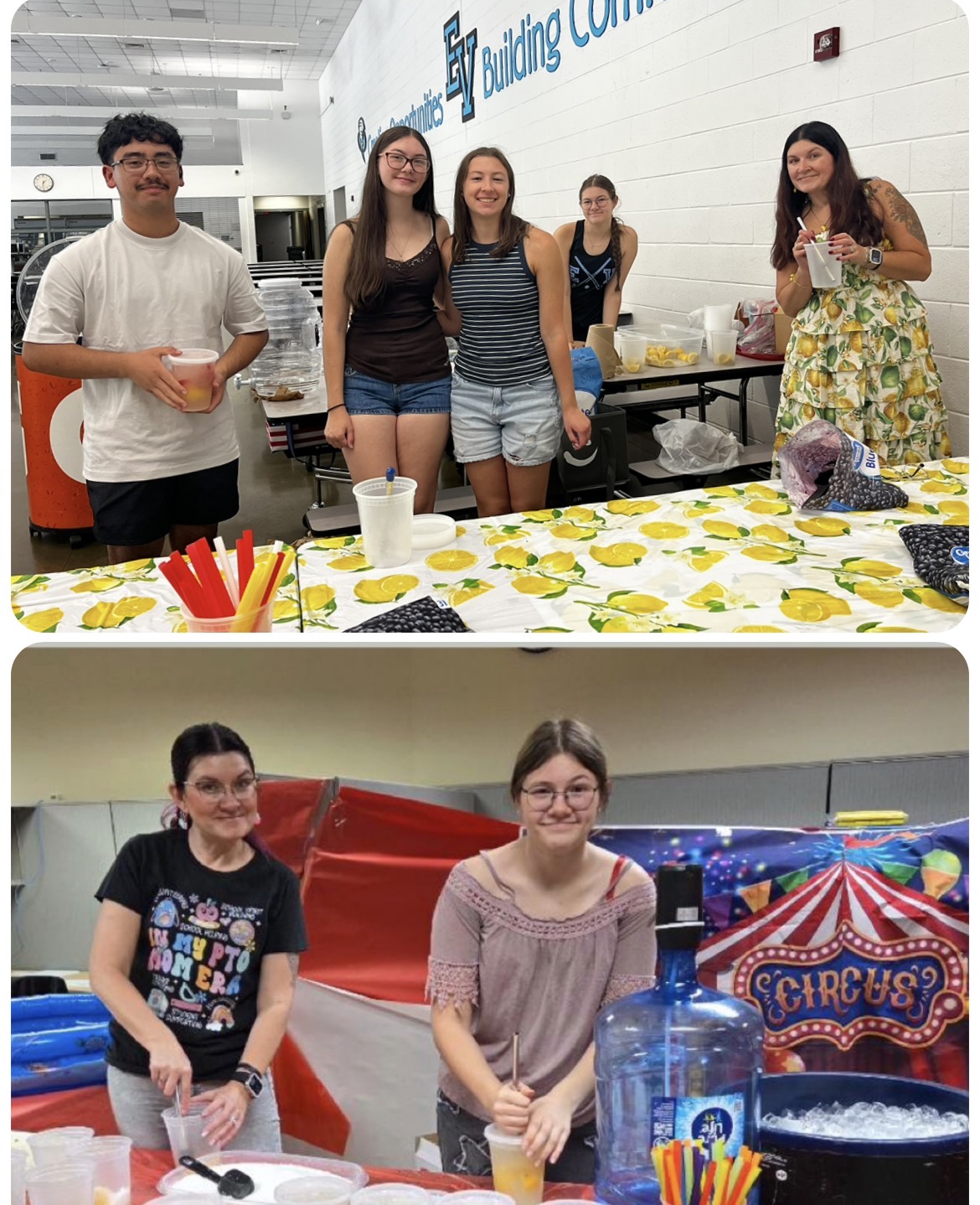
*Amanda Reck with student volunteers. Photo provided by Amanda Reck.*
Reck never drew up a grand plan to become a fixture in local nonprofit work. One thing simply kept leading to another.
<!-- continue-from-newsletter -->
## The Work Behind Showing Up
A good example came when she was helping with her daughter’s choir class and a school play. The choir teacher called and asked whether she would produce Windmore’s summer musical theater camp. Reck said yes.
By the end of the program, Windmore’s president asked her to join the board. Eventually, Reck became president herself.
She has learned not to overthink calls that begin with some version of, “Amanda, would you be interested in...?”
Those calls have a history.
They have also changed what she notices when she attends a community event. Most people see the finished product: the fundraiser, the performance, the craft fair, the room full of people. Reck sees what happened before the doors opened.
She sees the emails, the meetings, the phone calls, the supplies, the volunteers setting up and the people still cleaning when everyone else has gone home.
“The community they enjoy doesn’t just happen,” she said. “It’s being built every day by people who quietly choose to show up.”
Across the organizations she has served, Reck often sees the same dependable people doing that work. They are not always the people at the microphone. They are answering messages, moving tables, gathering supplies and handling the small jobs that become very large when nobody handles them.
Nearly every organization she knows could use more help, but that does not necessarily mean another board member or somebody with twenty spare hours a week. Sometimes it means two hours, one phone call, photographs, social media help or simply, “I’ll take care of that.”
Reck thinks people often want to help but do not know where the need is. She recently talked with someone at a local coffee shop who did not realize Habitat for Humanity had a presence in Culpeper. People cannot support work they do not know exists.
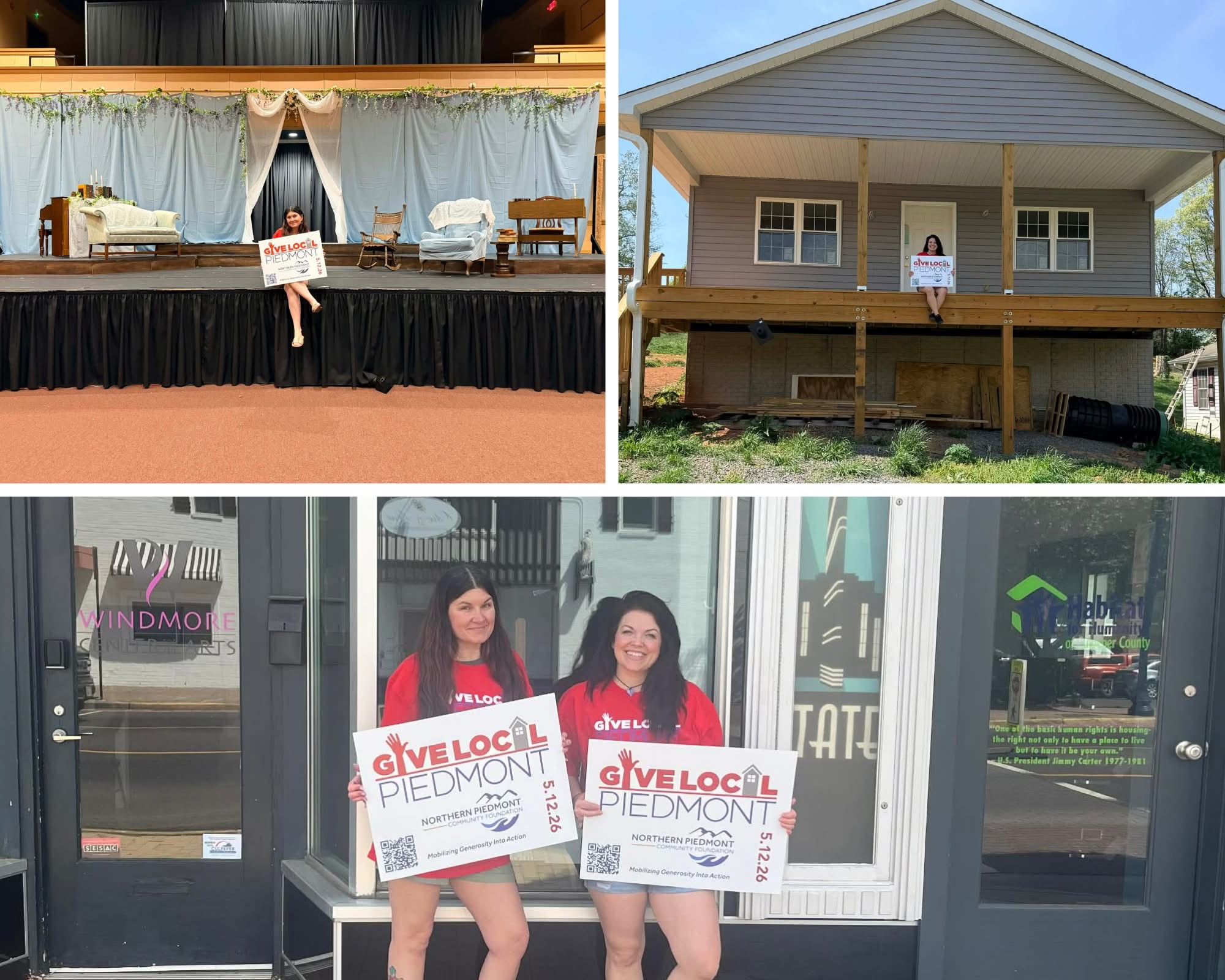
*Windmore and Habitat for Humanity collaboration activities. Photo provided by Amanda Reck.*
Money matters. So do time, skills, introductions and awareness.
## When Words Are Not the Point
Her view of service also comes from much harder experience.
When Reck’s son was on life support waiting for a heart transplant, she spent long stretches alone in his hospital room. Some people later told her they had stayed away because they did not know what to say.
She understood.
She also knew she had not needed anybody to fix what could not be fixed. A cup of tea, a hug or quiet company would have been enough.
“You don’t have to have the right words,” Reck said. “You just have to show up.”
That experience changed the way she responds when someone else is in trouble. Instead of saying, “Let me know if you need anything,” she tries to offer something specific. Dinner. A phone call. Information. A connection. Sometimes just a chair beside somebody who should not have to sit alone.
It has also made her attentive to the needs that do not announce themselves.
Through housing work, schools, health advocacy, organ donation, children’s programs, the arts and business organizations, Reck has met people carrying problems that are not obvious from the outside. A job, a home or a calm face does not mean life is calm.
She has learned not to reduce people to the role in which she first meets them. A business owner is also a parent. A volunteer may be struggling. A child who seems quiet in one room may be entirely different in another.
## A Place to Belong
She has seen that especially through youth theater at Windmore and through years of coaching youth cheerleading.
Quiet children have come alive onstage. Young people who did not stand out academically have emerged as leaders. Children who needed extra support have surprised adults once they were given the same chance to try.
Belonging, Reck believes, changes what people are willing to attempt.
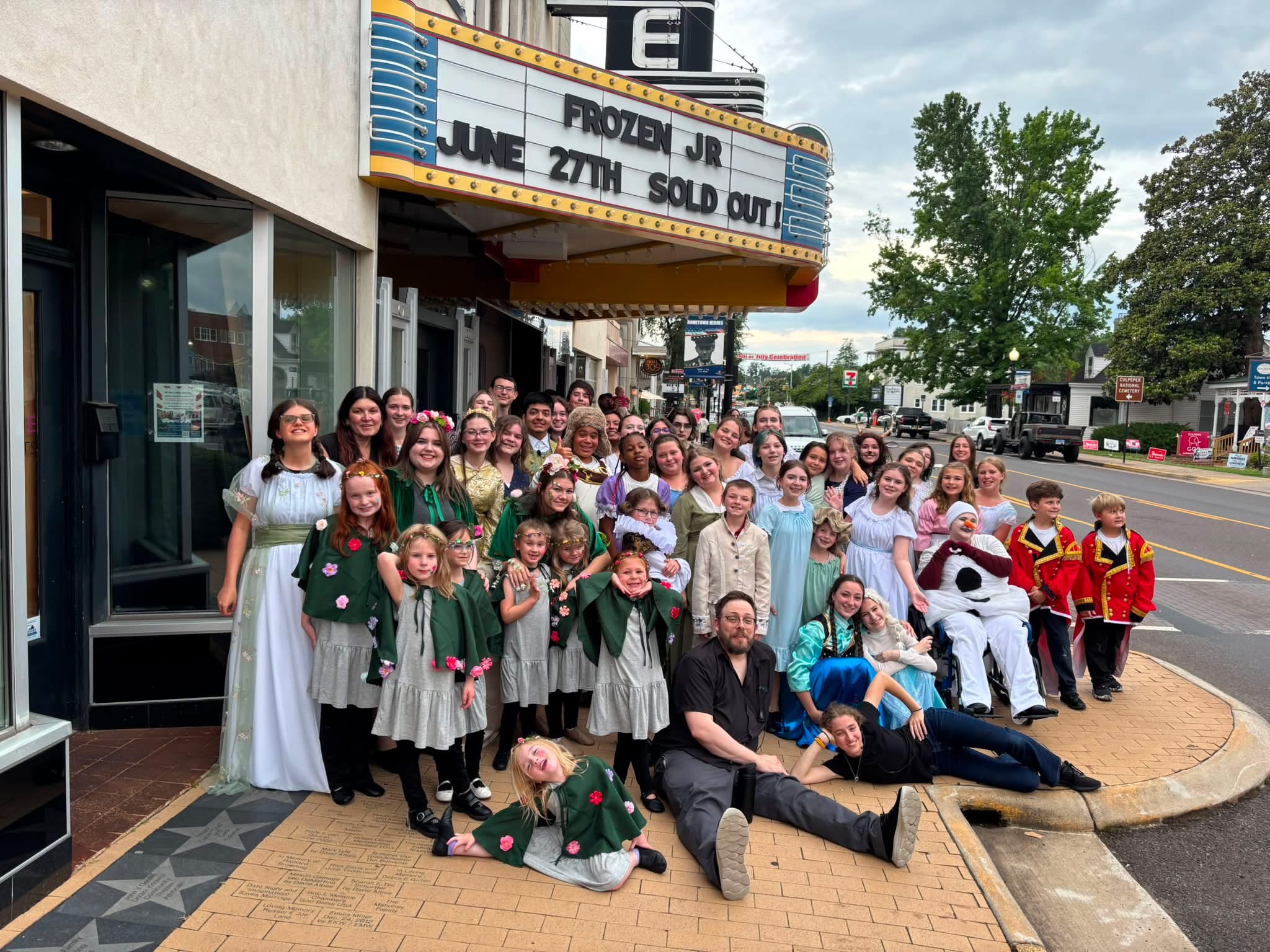
*Amanda Reck, at far left, with participants in Windmore’s Frozen Jr. musical-theater camp. Photo provided by Amanda Reck.*
That is part of what she hopes Windmore’s home at the State Theater can become for Culpeper: not merely a building where shows happen, but a place where students, performers, artists, teachers and residents cross paths. A child may walk in for a production and discover acting. Someone else may come for a concert, a class or an exhibit and find something entirely different.
The building is still becoming whatever it will become. Reck likes that part, too.
The community gets a say. And for Reck, that is part of the larger point: people are more likely to belong to a community when they have some part in building it.
After nearly three decades around nonprofit work, she no longer measures service by the size of the gesture. Helping can mean meeting an urgent need, sustaining the arts, supporting a school, preserving something worth keeping or creating a place where someone feels useful.
Her advice to people who want to get involved is straightforward: start with something you already care about.
Then give it something.
An hour. A skill. A donation. A phone call. A reliable yes.
Reck’s family commitments come first, and she does not expect everyone to volunteer the way she does. She has simply seen what can happen when ordinary people decide one small job is theirs.
Ten years from now, she hopes Culpeper has grown without losing that instinct: people knowing the organizations around them, noticing those who struggle quietly and giving children places to discover where they belong.
If something still needs doing by then, Reck already has a fairly predictable answer.
“I can help with that.”
In following this local thread, our conversation with Amanda Reck[1] gave this story its firsthand voice. That gave us a closer look at the people and details at its center. That was where this local story began for us.
Want to hear more from Amanda in her own words? [Read our complete interview with Amanda Reck](https://culpeperhq.com/interviews/amanda-reck-culpeper-68531), including the full questions and answers that inspired this story.