Three Teammates, One Immediate Choice at Lake Culpeper
By Culpeper HQ ·
<!-- continue-from-newsletter -->
Golf tryouts are supposed to test composure, judgment and the ability to respond when a shot does not go as planned. On July 27, three Eastern View High School students faced a test no scorecard could measure.
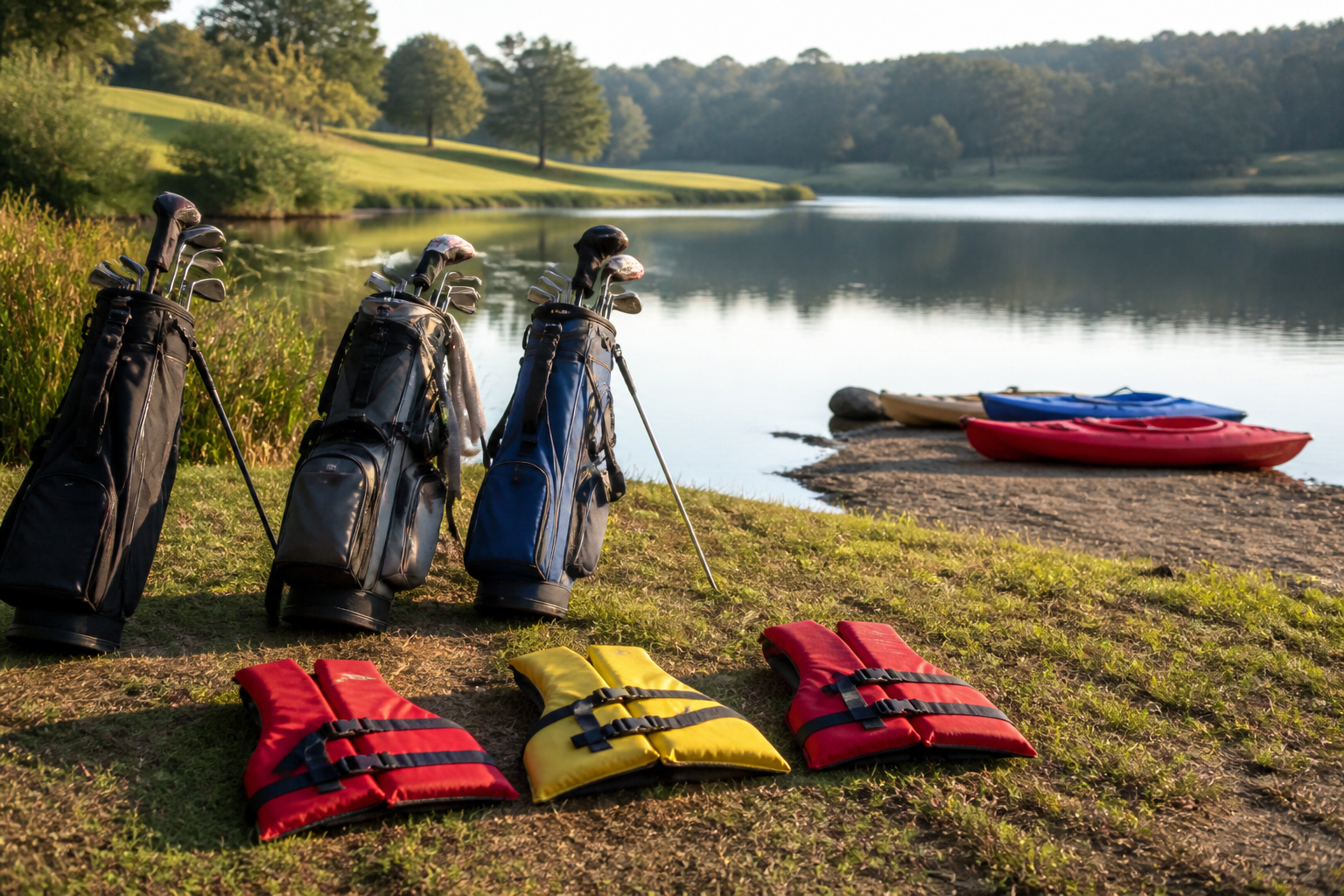
Andrew Tuggle, 15, Jackson Castro, 17, and Gavin Cain, 17, were on the Culpeper Country Club course for golf team tryouts when they saw capsized kayaks in adjacent Lake Culpeper. A family of three was in the water, including a young child who could not swim.
Newsletter excerpt ends here“Read the Rest of the Story” links jump here
According to the Culpeper Police Department account reported by Gray News, teammates called 911 and alerted the coaching staff while Andrew, Jackson and Gavin ran to the water. The three entered the lake, reached both adults and the child, and brought all three safely to shore. They then returned for the kayaks.
By the time first responders arrived, the family was already out of the water. All three kayakers had been wearing life jackets, and no injuries were reported.
## Courage before recognition
The most striking part of the story is how little time there was for ceremony. The teenagers did not arrive expecting to become rescuers. They were students at a familiar local place, focused on making a team, when the situation changed.
Culpeper Police Chief Chris Settle credited their courage and quick thinking. Eastern View golf coach Patrick Thornhill also praised their instinct to act and said he was proud of them.
Their response deserves celebration, but it also offers a useful reminder. Emergency readiness begins with noticing. The players saw that something was wrong, communicated with the people around them and moved toward a solution. Their teammates and coaches were part of that chain, helping summon professional responders while the three swimmers reached the family.
## A community story worth keeping
Culpeper often talks about wanting young people to grow into leaders. Leadership can sound abstract until a moment makes it visible.
For Andrew, Jackson and Gavin, leadership looked like leaving the fairway, entering the water and staying with the work until everyone was safe. It also looked like teamwork. No single person had to make every call, alert every adult and complete every part of the rescue alone.
The family went home unharmed. Three students returned from an extraordinary interruption to lives that, until that afternoon, had been ordinary. Culpeper gained a story that should last longer than a news cycle.
It is a story about three teenagers, certainly. It is also about a community's hopes for its young people being answered in real time: pay attention, care about the person beside you, use what you know and act when the moment asks something of you.
## What the lake reminds us
The outcome also reinforces a basic safety point that mattered that day. Police said each person in the capsized kayaks was wearing a life jacket. The equipment did not prevent the emergency, but it helped keep a frightening situation from becoming even more dangerous while help crossed the water.
Lake days can feel routine, especially close to home. Conditions, equipment and ability can still change what happens in seconds. Wearing a life jacket, staying aware of nearby activity and calling 911 immediately remain practical choices, not formalities.
The teenagers' actions should not turn an unusual rescue into an expectation that bystanders take unsafe risks. What their example does show is the value of awareness, teamwork and decisive communication. Those qualities were already present before anyone called them heroes.