Salubria receives $708,870 federal grant for preservation and public access
By Culpeper HQ ·
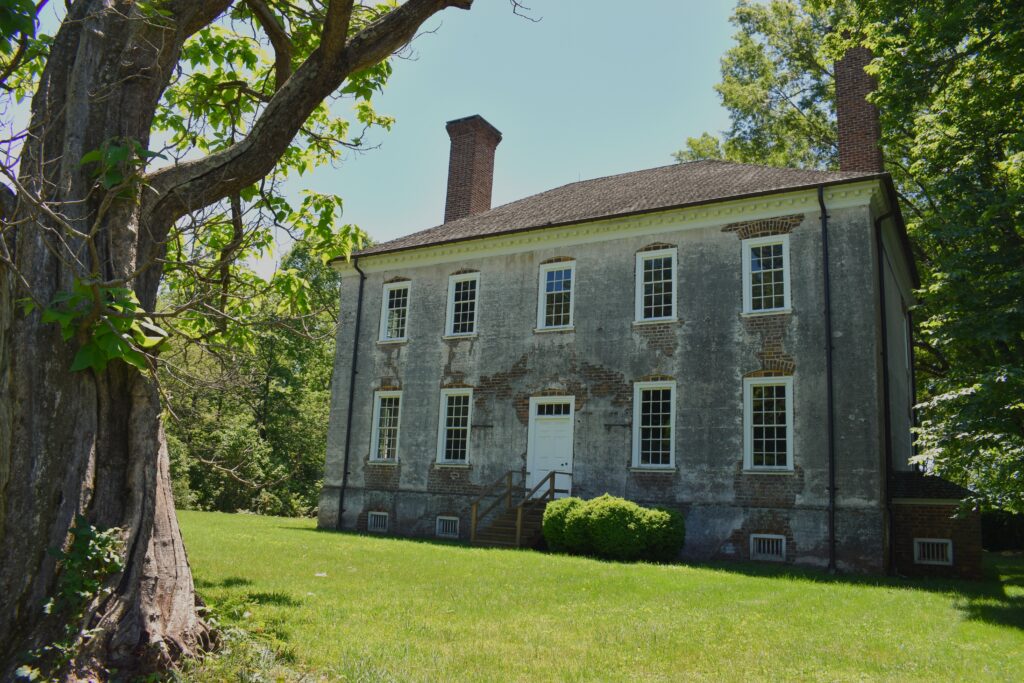
Salubria has stood in Culpeper County since 1757, but one part of the old house has lately been off limits: the second floor, closed because of safety concerns. A newly awarded $708,870 federal grant could change that. Historic Germanna says the three-year project will protect vulnerable materials, tackle drainage and moisture problems, improve visitor safety and create an ADA-accessible entrance. For a house approaching its 270th birthday, the work is both practical and consequential.
Historic Germanna announced Sept. 23 that it received the funding through the National Park Service’s Historic Preservation Fund Semiquincentennial Program for a project called Salubria Rehabilitation and Public Access. The award arrives as the nation commemorates the 250th anniversary of American independence, and it builds on Historic Germanna’s recent efforts to make the Culpeper County property accessible beyond prearranged tours.
## Protecting the house while opening its doors
The grant has two closely connected purposes: preserving Salubria and making it safer and easier for people to visit. Along with addressing drainage and moisture concerns, the project will protect vulnerable historic materials and improve visitor safety. The planned ADA-accessible entrance adds another piece to that public-access work.
The project will also make it possible to reopen the second floor, according to Historic Germanna. That floor is currently closed because of safety concerns, meaning rehabilitation could give visitors access to a part of the house they cannot presently experience.
“This award represents a tremendous investment in Salubria’s future and recognizes the importance of this historic place well beyond our region,” Historic Germanna Executive Director Jennifer Hurst-Wender said. “It will allow us to protect the house while preparing Salubria to welcome more students, residents, and visitors.”
## A 1757 house with much of its fabric intact
Salubria was built in 1757 for the Reverend John Thompson and his wife, Butler Brayne Spotswood Thompson. Historic Germanna describes it as an exceptionally intact example of mid-18th-century Georgian architecture in Virginia’s Piedmont. Its surviving original features preserve evidence of colonial craftsmanship and domestic life.
That physical record also carries a broader human history. Historic Germanna notes that the property reflects the skill and labor of both free and enslaved people who shaped and sustained it. As the United States marks its semiquincentennial, the organization presents Salubria as a place where visitors can encounter a fuller account of Virginia’s founding era and the people who lived and worked within it.
The newly announced work is not the first preservation investment at the property. Previous National Park Service and Roller-Bottimore Foundation support funded a Historic Structure Report, updated National Register documentation, paint analysis and early preservation work. Historic Germanna says those efforts, together with the latest award, have established a path for preservation and public use.
## From arranged tours to seasonal hours
Public access has already been changing at Salubria. Beginning in 2024, Historic Germanna offered seasonal open hours from Memorial Day through Labor Day, expanding opportunities to see the property beyond prearranged tours. The organization says the new grant will build on those first three seasons.
The goal is to make Salubria a more active public resource and heritage tourism destination for Culpeper County and the surrounding region. The rehabilitation work gives that effort a decidedly nuts-and-bolts side. Historic places may carry sweeping stories, but keeping them available to the public can come down to such stubborn matters as water, vulnerable materials, safe stairs and accessible entrances.
Historic Germanna’s stewardship extends beyond Salubria. The organization works through archaeology, education, genealogy and preservation and stewards historic and natural resources in Culpeper, Fauquier and Orange counties. Those resources include Siegen Forest, the Fort Germanna and Enchanted Castle archaeological site, Hitt Farm and the Fort Germanna Visitor Center campus.
## A chance to visit this fall
People who want to see Salubria without waiting for the three-year project to unfold will have an opportunity this month. The second annual Salubria Oktoberfest and History Faire is scheduled for Oct. 17, 2026, with history, food, music, demonstrations and activities on the historic grounds.
Another addition is expected later this fall. Historic Germanna plans to debut a new permanent exhibition sharing recent research and introducing visitors to the process behind interpreting Salubria, including what the organization describes as “how we know what we know” about the property.
From the start, Culpeper Chamber News[1] brought this local story to our attention. That gave the story a natural place to begin. It brought us a little closer to the local story at hand.
That phrase suits the larger preservation effort, too. Salubria’s future as a place people can visit depends in part on careful attention to what has survived from its past, from original architectural features to evidence of the people whose labor sustained the property. The $708,870 award is aimed at protecting those pieces while addressing a very present-day question: how to keep the doors of a 1757 Culpeper County landmark open, safe and accessible to the people who come next.