Khalil Benhajjam Knows What It Means to Find the Words
By Culpeper HQ ·
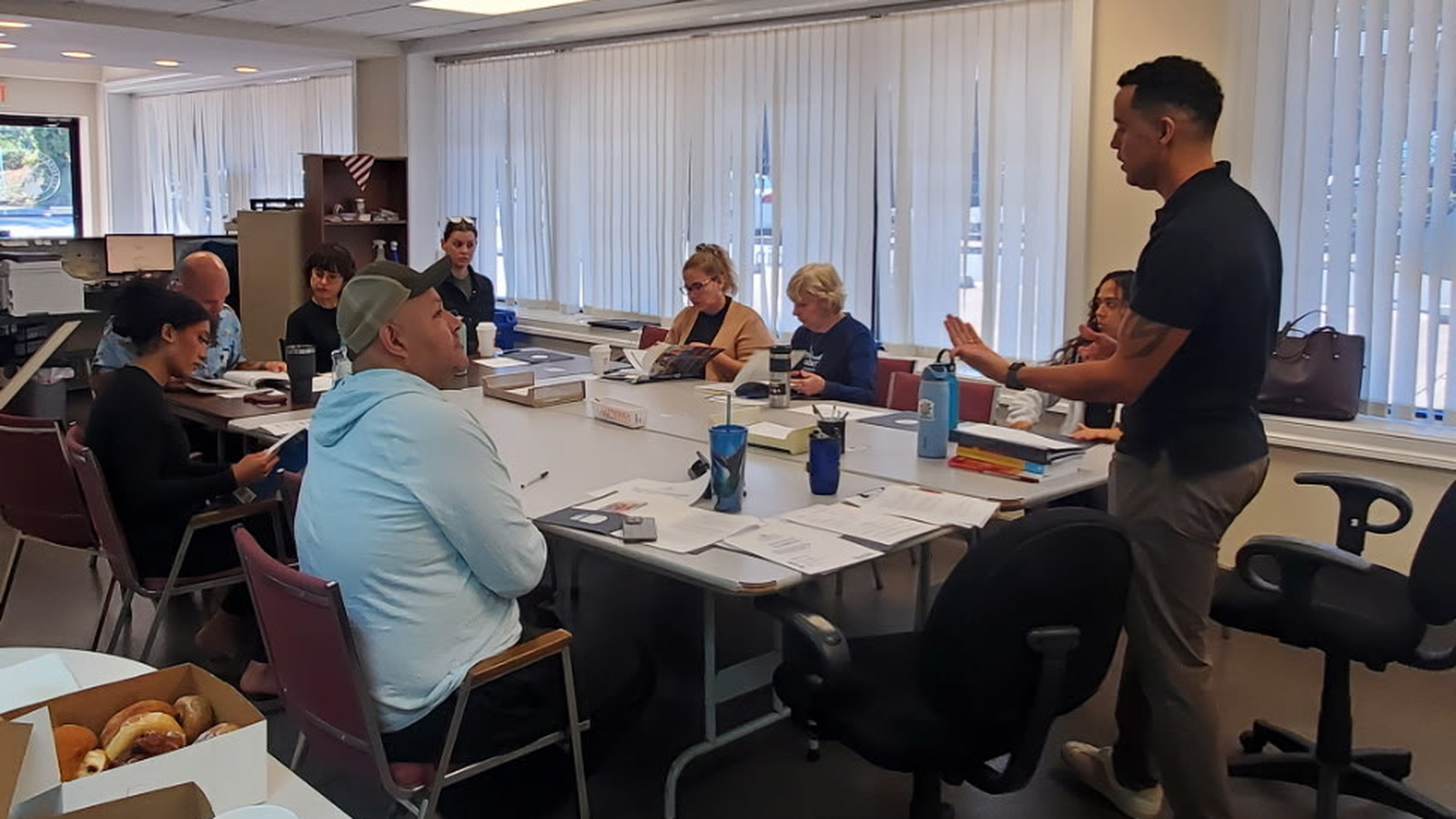
Before Khalil Benhajjam became Executive Director of Culpeper Literacy Council, he sat across from adult English learners and saw pieces of his own story. As an immigrant who had learned English himself, he knew the uncertainty of navigating a new language, the fear of making mistakes, and the determination to build a better life. When he began volunteering as an ESL instructor in Culpeper, that recognition turned a chance to give back into something larger. It changed the direction of his work.
Today, Benhajjam leads Culpeper Literacy Council with that experience close at hand. His path from English learner to volunteer instructor to organizational leader shapes the way he thinks about adult literacy and the people the organization serves. For him, the work is not simply about vocabulary or grammar. It is about helping people gain the confidence and independence to advocate for themselves, support their families and participate more fully in the community.
[[continue-from-newsletter]]
Benhajjam said learning English as an immigrant taught him how much language can affect a person's confidence, independence and sense of belonging. He knew what it felt like to have ideas and abilities but not always have the words to express them fully. That experience, he said, taught him patience, humility and the importance of making people feel seen rather than judged.
Volunteering at Culpeper Literacy Council gave those lessons a local direction. Benhajjam became more involved in the organization, learned more about the needs of adult learners and eventually moved into leadership. What began as volunteering grew into an opportunity to expand programs, develop community partnerships and help create the kind of welcoming support that had mattered in his own life.
The results he notices are often practical ones. He has watched learners become more comfortable speaking with their children's teachers, communicating at work, attending medical appointments and participating in the community. He has also watched relationships form among learners, volunteers and community partners who might not otherwise have met.
Those moments changed the way he thinks about literacy work. Language skills matter, but so does the confidence that comes with them. So does the feeling that a person belongs in the place they call home.
The work has also taught Benhajjam something about leadership. Early on, he sometimes believed being a strong leader meant solving every problem, taking on every responsibility and always being available. Over time, he learned that approach can lead to exhaustion and can keep other people from contributing fully. Now he tries to listen before acting, ask for help when he needs it and create room for others to lead.
That lesson was not abstract. Benhajjam said reaching this point required years of persistence, sacrifice and learning to navigate unfamiliar systems. Behind visible program growth and partnerships were long hours, financial uncertainty, difficult decisions and the pressure of leading an organization whose mission felt deeply personal to him. He credits resilience, humility, his family and people who believed in both him and the work with helping him continue.
Away from the office, his interests offer another window into the same person. Benhajjam enjoys group fitness classes, yoga, running races and chess. Fitness and yoga help him recharge, while chess makes him slow down, think ahead and consider different perspectives. He also values time with his family and enjoys connecting with people from different cultures.
One of his favorite parts of Culpeper is downtown Main Street. He appreciates its small-town character, locally owned businesses and the way people connect there. After living in Culpeper for many years and working downtown at the Literacy Council, he said it has become a place where he feels deeply connected to both the people and the community.
Looking ahead, Benhajjam believes there is still work to do to bridge cultural gaps in the community. The outcome he keeps returning to is not simply whether someone learns more English. It is whether that person becomes more confident speaking to a child's teacher, communicating at work, navigating an appointment or simply participating more fully in Culpeper.
For someone whose own path changed when language opened more doors, that may be the most fitting measure of the work: helping somebody else find more ways to take part in the place they call home.