Culpeper Has a State Park Now. Here's What Most People Still Don't Know About It
By Culpeper HQ ·
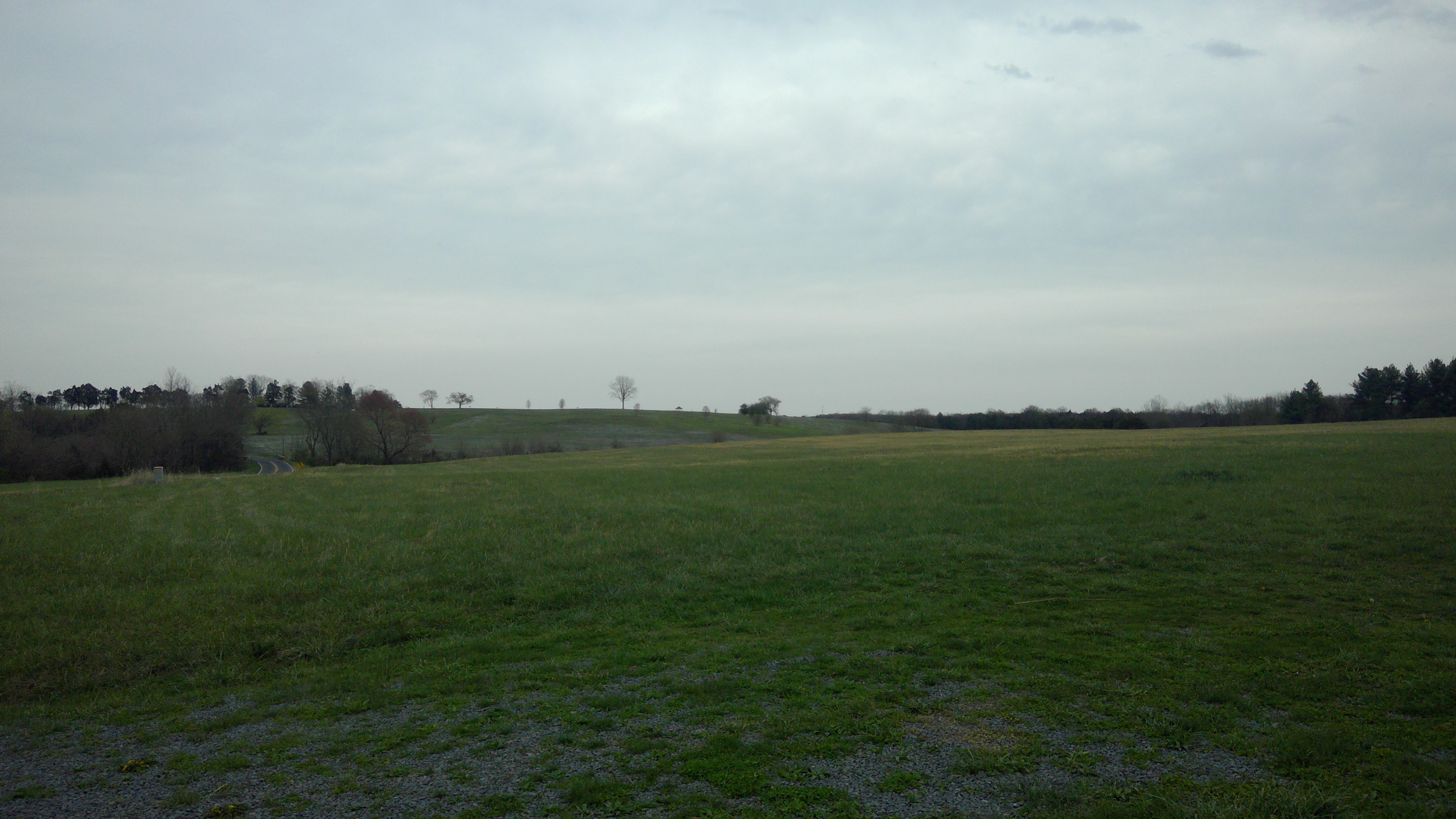

Culpeper has had wineries, battlefields, a downtown movie theater, a federal film archive and enough historical markers to make a road trip move at the speed of a lawn mower. Now it has something else: a Virginia state park.
Culpeper Battlefields State Park is not a single tidy square of land with one entrance, one parking lot and a ranger waiting beside a rack of trail maps. It is a developing park built around several historically significant properties associated with the battles of Brandy Station and Cedar Mountain. That makes it both exciting and, for a first-time visitor, a little confusing.
<!-- continue-from-newsletter -->
The park represents a major shift in how these landscapes will be protected and experienced. For years, preservation groups, historians, donors and local advocates worked to protect pieces of the battlefields from development. The creation of a state park begins connecting that work to a larger public mission. The land is no longer only a collection of preserved parcels. It is becoming a place Virginians can visit, understand and pass along.
The Battle of Brandy Station, fought June 9, 1863, was the largest cavalry battle on the North American continent. Thousands of mounted soldiers clashed across fields and ridgelines in Culpeper County shortly before the Gettysburg campaign. The fighting demonstrated that Union cavalry had become a far more capable force than it had been earlier in the war.
Cedar Mountain carries a different story. Fought August 9, 1862, the battle came during the Northern Virginia Campaign and involved Confederate forces under Thomas J. "Stonewall" Jackson and Union forces under Nathaniel Banks. The landscape still gives visitors something battle maps cannot: a sense of distance, terrain and visibility. You can stand there and begin to understand why a hill, a road or a line of trees mattered.
That physical connection is one reason preservation matters. History can become a row of dates in a textbook. A preserved landscape puts scale beneath it. The heat is real. The slope is real. The distance from one position to another is no longer an arrow printed on a page.
The park also gives Culpeper an opportunity to tell a broader story. Battlefields are not only about generals and troop movements. They involve civilians, enslaved people, free Black communities, farms, families, medical care, transportation and the long consequences of war. A strong public park can help visitors understand that the ground had a life before the armies arrived and continued to have one after they left.
Visitors should understand that the park is still developing. Access, amenities and interpretation may vary by property. This is not yet the kind of state park where every feature can be experienced through one central visitor center. Checking Virginia State Parks information before leaving home is the best way to understand what is currently open and how to visit responsibly.
That developing quality is part of what makes this moment interesting. Culpeper residents are watching a state park take shape in real time. Trails, interpretation, preservation priorities and visitor experiences will grow over time. What exists today is the beginning rather than the finished product.
For Culpeper, the park can become more than a history destination. It can support heritage tourism, outdoor recreation, school programs and local business. Visitors who come for a battlefield may stay for lunch, walk downtown, visit a museum, stop at a farm market or discover another part of the county. A well-told local story tends to lead to another.
There is also value in having protected open land close to home. Even visitors who arrive without deep Civil War knowledge can appreciate trails, views and the experience of moving through a landscape that has not been covered with buildings. Preservation protects history, but it also protects breathing room.
The biggest misconception may be that creating the park finished the job. It did not. The designation creates a durable framework, but public understanding, responsible visitation and continued stewardship will determine what the park becomes.
So yes, Culpeper has a state park now. It arrived without a mountain, a beach or a waterfall to do the advertising. What it has instead is land that witnessed national history and a community with the chance to decide how that history will be carried forward.
The next time someone says there is nothing new around here, you can point them toward a very old landscape becoming something entirely new.